

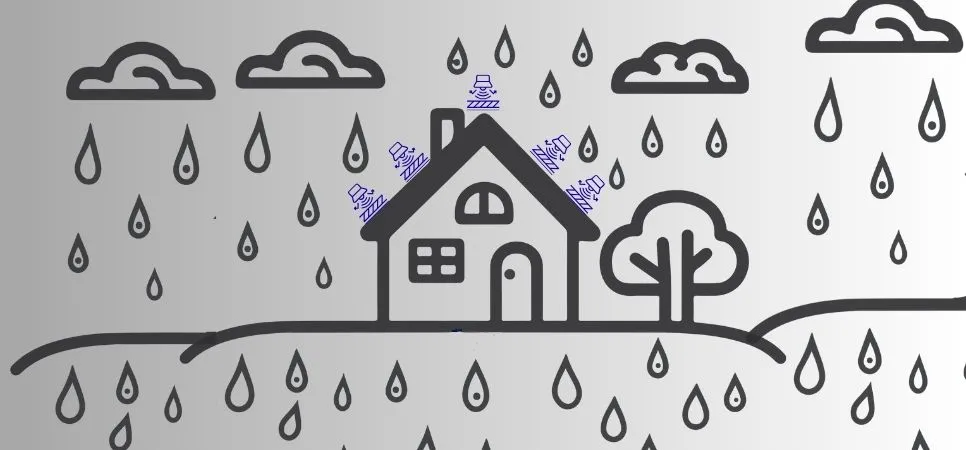
Do Sandwich Panels Make Noise In The Rain?-Turkey
The sound of rain can sometimes be soothing, but at other times it reveals the quality of a building. On metal-roofed buildings in particular, rain can generate noise loud enough to disturb those inside. Everyone is familiar with the sound of rain on a metal roof and is wary of the same issue occurring with sandwich panels. However, sandwich panels are not all the same. The insulation material used within the panels plays a decisive role in sound insulation.
Numerous technical assessments carried out in Europe demonstrate that systems using stone wool with a fibrous structure significantly reduce noise caused by rain and impact. Technical publications shared by the European Rock Wool Manufacturers Association (EURIMA) clearly state that roof and façade systems containing rock wool significantly reduce rain and impact noise compared to uninsulated metal surfaces. For this reason, the question ‘do sandwich panels make noise?’ may be somewhat misguided when it comes to rain noise. The key factor in sound insulation is which sandwich panel is used.
Do sandwich panels make noise in the rain?
Yes, sandwich panels can make noise in the rain. However, not all panels produce the same level of noise. Furthermore, the noise generated during rainfall is not at a disturbing level in panels that contain sound insulation material. It is also important to remember that the intensity of the rain, the structure of the panel and the method of installation all play a decisive role in this matter. The following information should provide further clarification.
Why do sandwich panels make a rattling sound when it rains?
The product known as a sandwich panel consists of three layers: Top metal sheet + central insulation core + bottom metal sheet. When raindrops strike the outer metal sheet, vibrations are created. If these vibrations are not properly dampened, they are transmitted as a ‘tap-tap’ sound inside. In other words, the source of the sound is the metal surface, but it is the panel’s internal structure that determines the outcome.
Is the sound insulation in sandwich panels adequate?
Sandwich panels provide effective sound insulation depending on the core material, the thickness of the top and bottom sheets, and, of course, correct installation. However, if the material used is not suitable for sound insulation or if the panels are not installed correctly, this can significantly increase noise levels.
How effective is sound insulation in sandwich panels?
The most notable feature of sandwich panels is thermal insulation. Sound insulation, however, is a secondary consideration. In other words, whilst you cannot completely eliminate ‘thudding’ noises, you can reduce disruptive sounds by choosing the following insulation options.
Does the sound change depending on the intensity of the rain?
Yes, it does. In light to moderate rain, a high-quality sandwich panel generally does not produce an annoying sound. Even if you notice it is raining outside, no sound that could be described as ‘noise’ is produced.
However, in heavy rain or hail-like conditions, sound is produced on sandwich panels just as it is on any metal surface. However, this sound does not reach the level of a ‘tin roof’. In other words, it does not create a grating noise.
Do all sandwich panels make the same sound in the rain?
No, this is the crux of the matter. In other words, the core material used for sound insulation in sandwich panels is of great importance. Sound absorption is excellent in sandwich panels filled with rock wool. This is the safest option for residential, office and noise-sensitive buildings.
Whilst panels filled with polyurethane or PIR offer excellent thermal insulation, their sound absorption is slightly lower. However, with the correct thickness and installation, sound issues are generally avoided.
Sheet thickness also affects sound insulation. Thinner sheets vibrate more easily and produce more noise. Thicker sheets, on the other hand, transmit vibrations less readily. This is why rain noise is more noticeable in cheaper, thinner-sheeted panels.
Factors affecting sound insulation in the rain
Let’s list them briefly:
- The type and density of the panel’s core material
- Sheet metal thickness
- Panel thickness
- Roof pitch
- The strength of the underlying support structure
- Quality of installation
- Whether there is a suspended ceiling or additional insulation inside the building
What should someone considering having sandwich panels installed do?
If you want to use sandwich panels on your roof and are wondering, ‘Will the sound of rain bother me?’, you should bear the following in mind:
- Ask whether the sandwich panels are filled with rock wool.
- Be sure to find out the thickness of the sheet metal.
- Clearly state to the company where the panels will be used (residential, warehouse, workshop, etc.).
- Ensure the installation team is experienced.
- Ask not only about the panel price but also the technical specifications.
Although cheap panels may seem attractive in the short term, they can cause noise and comfort issues in the long run.
Do sandwich panels make noise when it hails?
Yes, sandwich panels do make some noise when it hails. However, the level of this noise varies significantly depending on the panel and the method of installation.
As hail causes a harder impact than rain, it creates more vibration on the metal surface. This noise is more clearly audible in panels with thin sheet metal and low-density core material. If a sandwich panel with a rock wool core and thick sheet metal is used and correctly installed, the noise will not reach an annoying level.
What should be done to achieve the best sound insulation in sandwich panels?
1. Choose panels filled with rock wool
Rock wool is the best choice for sound insulation. Rock wool has a fibrous and porous structure. Sound waves enter these fibres, lose their energy and are dampened. In other words, it does not transmit sound; it absorbs it. Polyurethane and PIR fillings are excellent for thermal insulation.
2. Panel thickness and sheet metal thickness are important
Thicker panels = less vibration.
Thin sheet metal produces noise, whilst thick sheet metal makes it harder for sound to pass through. This difference is particularly noticeable with the sound of rain and hail.
3. Adding additional insulation underneath
If the panels are to be used in residential, office or other spaces requiring quiet, adding additional insulation is beneficial. The most common solutions for additional insulation are: Rock wool mats or sheets, plasterboard or suspended ceiling underneath, acoustic felt if necessary.
The logic behind this system is simple: The metal surface vibrates, but the soft, fibrous layer underneath absorbs this vibration and prevents sound from passing into the building.
Sound insulation and costs for sandwich panels
Sandwich panels filled with rock wool are slightly more expensive than standard panels. Adding extra sound insulation underneath increases the cost but significantly improves comfort. If the building is solely a warehouse or industrial structure, extra insulation is often unnecessary, thereby reducing costs.
Will I experience noise issues if I have sandwich panels installed?
If the wrong panel is chosen, materials of insufficient quality for the structure are used, or the installation is not carried out properly by a professional team, noise may be noticeable in the sandwich panels. To ensure you do not experience noise issues, our experienced team, high-quality products and skilled installation staff are here to assist you.
Why choose Mekpan Panel Konya?
Reasons to choose Mekpan Panel: We have been in this business for years, we manufacture our products in our own facilities, and we produce our panels not with a short-term sales focus, but with a commitment to providing long-lasting, high-quality solutions. We leave nothing to chance when it comes to thermal insulation, fire resistance and quality standards. In short, we are the brand that those who wish to avoid future problems when having a roof or façade installed can turn to with complete peace of mind.
For further information, please contact Mekpan.